Thinking about buying your first rental in Lewis Center? You are looking at a fast‑growing corner of Delaware County with steady renter demand from commuters and nearby employers. With the right property type and a clear plan for underwriting and management, you can build a dependable, long‑term investment. In this guide, you will learn how to size up demand, choose the right property, run the numbers, and navigate local rules. Let’s dive in.
Why Lewis Center attracts renters
Lewis Center sits just north of Columbus with quick access to I‑71 and SR 315, making it a practical base for commuters. Nearby employment, including Polaris office parks, retail, and regional healthcare, supports a broad renter pool. Delaware County has seen strong population growth over the last two decades, which supports long‑term rental demand. Recent years brought market shifts and moderating rent growth, so it is smart to base decisions on current data.
To keep your view current, pull fresh figures from sources like local MLS or Columbus REALTORS reports for sales trends, and rental trend platforms for asking rents. Use the Delaware County Auditor for parcel‑level tax history when you are underwriting specific properties.
Best property types to consider
Single‑family homes
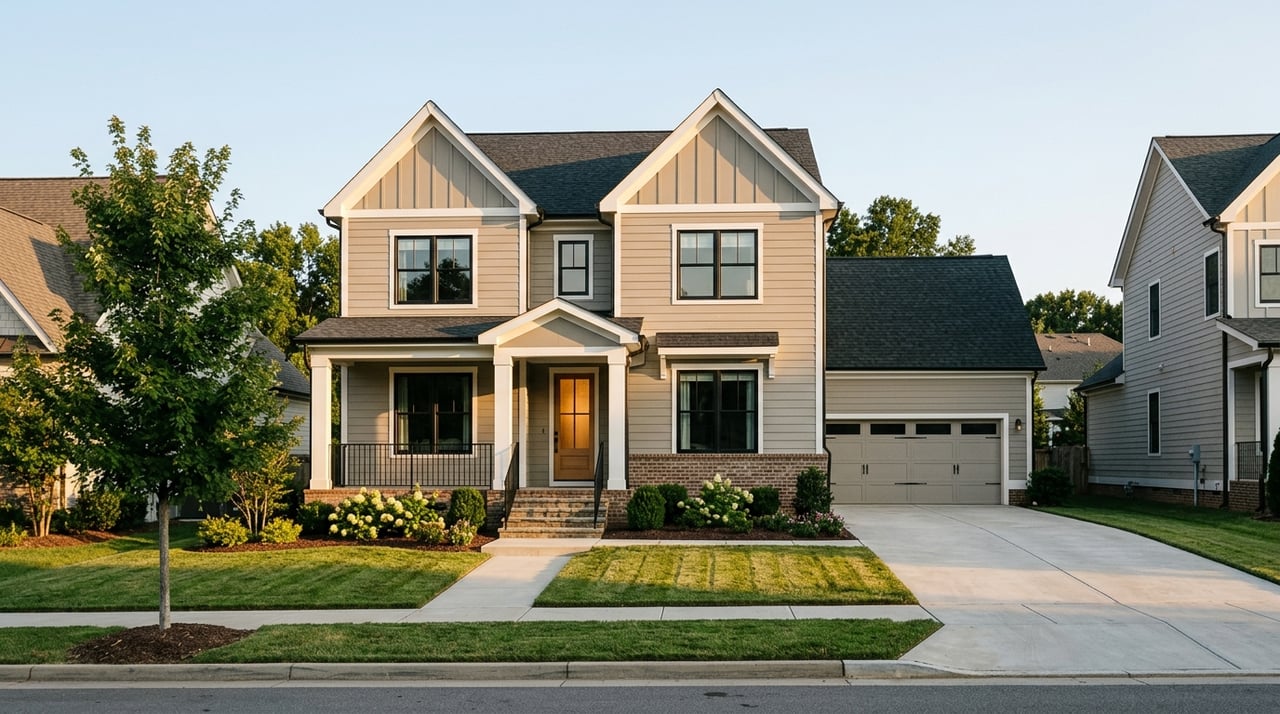
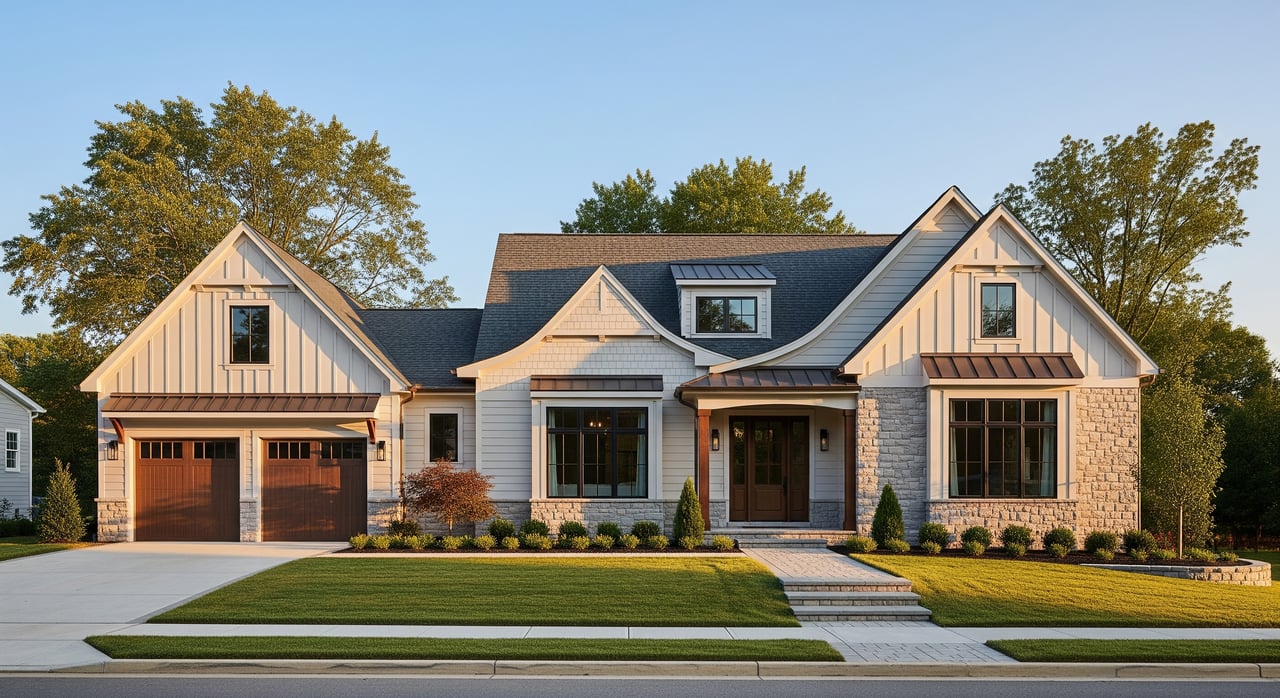
Single‑family homes are the backbone of the Lewis Center rental market. Many renters prioritize multiple bedrooms, garage parking, and some yard space. Features that support higher rents include 3 or more bedrooms, 2 or more baths, updated kitchens, and a fenced yard. Proximity to community amenities and commuting routes can also support demand.
Townhomes and duplexes
Townhomes and duplexes often trade at a lower price per door than single‑family homes. While rents may be slightly lower than comparable single‑family rentals, the purchase price and maintenance profile can improve your yield. These homes appeal to smaller households who want more space and privacy than an apartment.
Small multifamily nearby
Low‑rise multifamily and 2 to 8 unit buildings are less common in Lewis Center itself but more available in and near the City of Delaware. They can offer economies of scale in management and maintenance and appeal to a mix of young professionals and small families.
Newer construction and build‑to‑rent
Newer subdivisions around Lewis Center have delivered modern single‑family and townhome options. Newer finishes and systems can mean lower near‑term maintenance and strong tenant interest. Always review HOA rules before buying, since some associations limit or regulate rentals.
Student‑adjacent housing
Student demand is more relevant near Ohio Wesleyan University in the City of Delaware than in Lewis Center. If you consider this niche, remember that lease timing often follows the academic calendar and turnover can be higher.
How to estimate market rent
Use real, recent lease data where possible. Asking rents can be off by a wide margin.
- Pull recent rented comps for Lewis Center and nearby ZIPs from local MLS rental history or property managers.
- Compare by bedrooms, baths, square footage, condition, garage and yard, and proximity to amenities.
- Favor leased comps over active listings and note seasonality. Homes listed mid‑summer can perform differently than homes listed mid‑winter.
- Adjust for features. A renovated kitchen, finished basement, or fenced yard can support a premium compared with an older, similar‑size home.
Run the numbers with confidence
A clear underwriting model keeps you disciplined. Start with common metrics.
- Gross Scheduled Income (GSI) = monthly market rent × 12
- Effective Gross Income (EGI) = GSI − vacancy allowance
- Operating Expenses = taxes, insurance, maintenance, management, owner‑paid utilities, HOA, and local fees
- Net Operating Income (NOI) = EGI − Operating Expenses
- Cap Rate = NOI ÷ purchase price
- Cash‑on‑Cash Return = cash flow after debt ÷ total cash invested
Example calculation (illustrative)
Assume a purchase price of $350,000 and market rent of $2,200 per month.
- GSI: $2,200 × 12 = $26,400
- Vacancy allowance: 6 percent → $1,584
- EGI: $26,400 − $1,584 = $24,816
- Expenses: taxes $4,500, insurance $1,200, maintenance 8 percent of GSI $2,112, management 8 percent of collected rent $1,985, owner‑paid utilities/other $600
- Total operating expenses ≈ $10,397
- NOI ≈ $24,816 − $10,397 = $14,419
- Cap rate ≈ $14,419 ÷ $350,000 = 4.1 percent
If you finance 75 percent of the price on a 30‑year loan, a hypothetical annual payment near $15,846 would produce slightly negative annual cash flow in this example. That signal tells you to shop price, adjust rent assumptions, or find a property with lower taxes or HOA costs. Always plug in actual quotes for mortgage rate, insurance, and the exact tax bill.
Budget for all expenses
Your operating budget should reflect local conditions and property age. As a starting point:
- Property taxes: verify with the Delaware County Auditor for the specific parcel.
- Insurance: landlord policy, based on replacement cost and coverage.
- Vacancy: 5 to 8 percent of gross rent in stable suburban single‑family markets.
- Maintenance and repairs: 5 to 10 percent of gross rent, or a simple $1,000 to $2,000 per year per home. Older homes may require more.
- Property management: 8 to 12 percent of collected rent for single‑family rentals, plus leasing fees for placement.
- Utilities paid by owner: water, sewer, trash, or HOA‑covered utilities where applicable.
- HOA dues: confirm frequency, amount, and any special assessments.
- Licensing, inspections, local fees: check township or city requirements.
A well‑managed single‑family rental often runs at a 35 to 50 percent operating expense ratio before debt service. Verify your numbers with current quotes.
Financing basics for investors
Investment loans usually require 15 to 25 percent down, with terms and rates that differ from owner‑occupied loans. Rates and points can swing cash flow by a wide margin, so shop multiple local lenders. Some owner‑occupant programs allow limited rental scenarios if you live in the property for a period of time. Confirm the rules directly with lenders and underwriters before planning a strategy.
Management and day‑to‑day operations
Self‑manage or hire a manager
- Self‑management can reduce fees but requires time for marketing, showings, screening, maintenance coordination, and compliance.
- Professional management often runs 8 to 12 percent of collected rent, plus leasing fees. It can streamline operations, especially if you do not live nearby or plan to grow a portfolio.
Tenant screening and leases
Use a consistent, documented process that follows federal, state, and local fair housing laws. Many managers evaluate credit, verify income, and review rental history. A common guideline is rent at or below 30 to 40 percent of gross income. Twelve‑month leases are standard. Consider timing your lease start so renewals land in a seasonally stronger month for your area.
Maintenance, reserves, and turnovers
Set aside a routine maintenance reserve and a separate capital fund for larger items like HVAC, roof, and major appliances. Turnover costs can include cleaning, paint, minor repairs, and marketing. These can range from a few hundred dollars to several thousand dollars depending on condition and scope.
Local rules to review
- Rental registration and inspections: some Ohio municipalities require registration or periodic inspections. Check Delaware County and your specific township or city.
- Building codes and habitability: maintain the property to local standards and address safety and repair issues promptly.
- HOA covenants: confirm any rental limits, lease minimums, or approval processes.
- Short‑term rentals: many suburbs regulate or restrict short‑term rentals. Verify before planning a furnished or short‑term strategy.
Compare Lewis Center with nearby suburbs
Your return depends on both price and rent. Review these factors side by side with Powell, Westerville, Dublin, Worthington, and New Albany.
- Price per door and median sale price
- Median rent by bedroom count and recent rent growth
- Operating costs, especially taxes and HOA dues
- Vacancy trends and days on market for rentals
- New construction pipeline that could add supply
- Commute times to employment centers
A quick research checklist
- Pull the last 12 months of closed sales and current inventory from the local MLS or Columbus REALTORS.
- Gather recent rental comps from local managers or rental platforms. Focus on leased data.
- Look up the parcel’s tax history in the Delaware County Auditor database.
- Identify attendance zones within Olentangy Local School District and review public performance data from the Ohio Department of Education.
- Contact at least one local lender for current investment loan rates, down payment requirements, and closing costs.
- Confirm any rental registration, inspection, or short‑term rental rules with your municipality and HOA.
Your next step
Buying a rental in Lewis Center can be a smart, steady play if you match the property to local renter demand and stick to disciplined underwriting. If you want help finding the right home, pulling reliable rent comps, or coordinating a smooth purchase, connect with a local team that lives this market every day. Reach out to The Agency Real Estate Group for buyer representation and neighborhood‑level guidance across Central Ohio.
FAQs
What makes Lewis Center attractive for rentals?
- Population growth, commuter access to Columbus, and proximity to employers support steady renter demand when you choose the right property type and price.
Which property type usually performs best here?
- Single‑family homes and townhomes that offer multiple bedrooms, garage space, and modern updates tend to attract consistent demand in this suburban market.
How do I estimate rent before I buy in Lewis Center?
- Use leased comps for similar homes, adjust for features and condition, and apply a vacancy allowance to build a realistic effective income figure.
What expense percentages should I plan for?
- Start with vacancy at 5 to 8 percent, maintenance at 5 to 10 percent of gross rent, and management at 8 to 12 percent, plus taxes, insurance, HOA, and any owner‑paid utilities.
How much down payment will I need for an investment loan?
- Many lenders require 15 to 25 percent down on investment properties, with rates and points that differ from owner‑occupied loans.
Do I need a property manager for a single rental?
- Not necessarily. Self‑management can work if you have time and local presence. A manager can reduce daily tasks but adds an operating cost you should include in your underwriting.