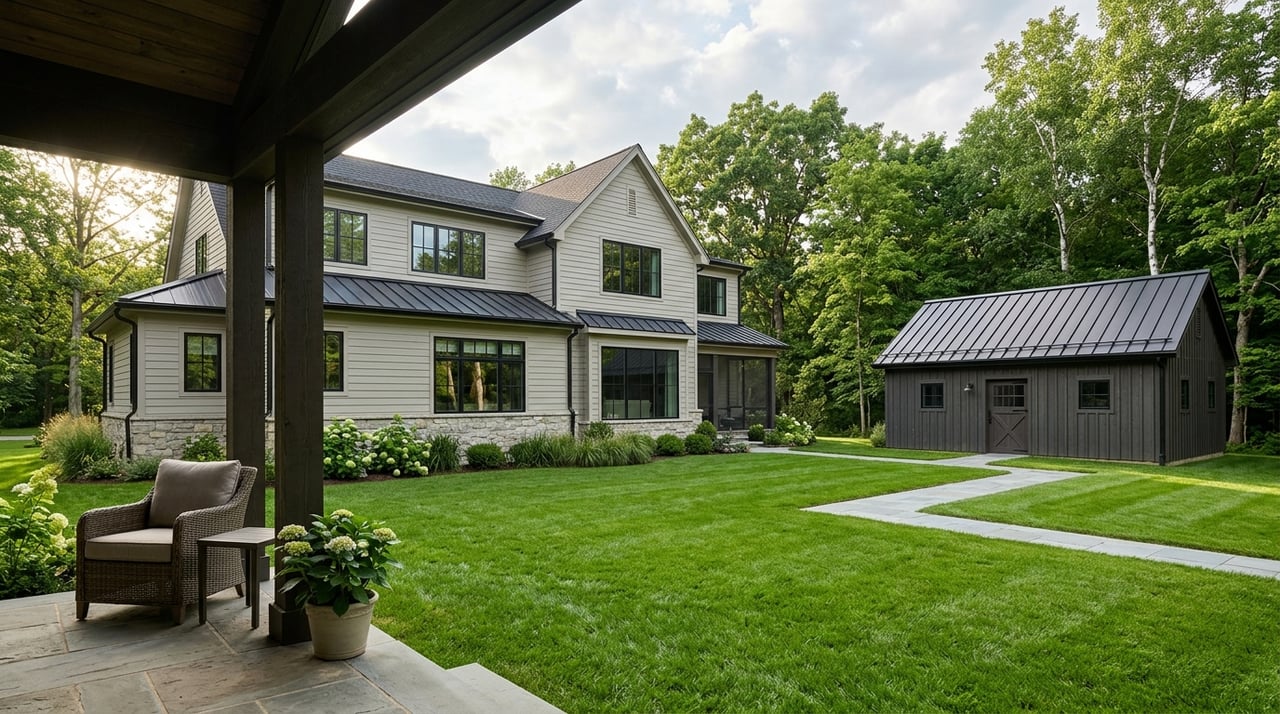
Thinking about buying a home in the Mt. Gilead countryside? The extra space, quieter setting, and rural feel can be a big draw, but country property usually comes with more details to check before you buy. If you are looking at homes or land around 43338, this guide will help you understand the practical issues that matter most, from wells and septic systems to zoning, access, and financing. Let’s dive in.
Why Mt. Gilead Countryside Appeals
If you want elbow room, privacy, and a slower pace, rural Morrow County offers a very different experience from a typical suburban neighborhood. According to the U.S. Census Bureau’s Morrow County profile, the county has an estimated population of 35,927 spread across 406.13 square miles, with a population density of 86.1 people per square mile.
That low-density setup helps explain why the area feels rural and spacious. It also supports a lifestyle where you may have more land, fewer nearby services, and more responsibility for the property itself.
Homeownership is also common here. The same Census data for Morrow County shows an owner-occupied housing rate of 81.2% and a median owner-occupied home value of $222,300, which gives you a useful baseline as you compare options.
Key Questions To Ask First
Before you get too attached to a rural property, start with the questions that usually matter most:
- Is the septic system functional?
- Is the well water safe?
- Which township zoning rules apply?
- Will the property need a culvert or road permit?
- Does the address qualify for USDA financing?
These questions come up early for a reason. In the countryside, a home is not just about bedrooms, bathrooms, and finishes. You also need to understand the systems, site conditions, and local rules that affect how you can use the property.
Septic Systems Matter More Than Many Buyers Expect
Many rural homes in the Mt. Gilead area rely on private septic systems rather than municipal sewer. The Morrow County Health District sewage program handles permits and inspections for household septic systems, and it also evaluates vacant properties that need a sewage system before building when the required soil evaluation and system design forms are submitted.
If you are buying an existing home, it is important to understand what is and is not required. The health district states that a real-estate septic inspection is usually requested by a lender for a sale or refinance, but it is not required by the board of health.
That means you should not assume an inspection will happen automatically. If the property has a septic system, ask about its age, maintenance history, any repairs, and whether a current inspection is available.
The county also advises pumping septic tanks every 3 to 5 years, or more often if a garbage disposal is used. That recommendation can give you a clearer picture of the ongoing maintenance you may need to budget for after closing.
Septic Tips For Buyers
When you tour a rural property, consider asking:
- When was the septic system last inspected?
- When was the tank last pumped?
- Are maintenance records available?
- Have there been any known backups or repairs?
- If the property is vacant land, has the site been evaluated for a sewage system?
Well Water And Water Testing
Private wells are another common part of country living in Morrow County. The Morrow County Health District private water program issues permits for new wells, well alterations, and sealing unused or failed wells.
The health district also inspects private wells for home sales, refinancing, and drinking-water safety. Testing may include total coliform, lead, and fluoride, depending on the situation.
For buyers, the main takeaway is simple: do not assume water quality based on appearance alone. A clear glass of water is not the same thing as a current test result.
For new wells, the health district notes that the first water sample is included in the permit cost, and a safe total coliform result is required before the well is considered acceptable. If a sample comes back positive, the district may re-sample and re-chlorinate until the result is safe.
Water Questions To Ask
Before you move forward on a rural property, ask:
- Is the home served by a private well?
- Is there a recent water test on file?
- Has the well been altered, repaired, or sealed in the past?
- Are there any known water-quality concerns?
Zoning Can Change By Township
One of the biggest mistakes rural buyers make is assuming the same zoning rules apply everywhere. In Morrow County, zoning varies by township. Some townships use county-wide zoning, some have township zoning, and Franklin, Perry, and Peru townships are unzoned.
That matters if you are buying with a specific use in mind. Maybe you want to add a barn, build a detached garage, place a shed, or make changes to the property over time. The answer may depend on the exact township and whether the parcel falls under county or township oversight.
The county zoning resolution also includes setback rules for accessory barns and sheds. In governed districts, accessory buildings under 120 square feet that are not on a permanent foundation do not require a zoning permit.
Why Zoning Review Is Worth Your Time
A quick zoning check can help you avoid surprises such as:
- Setback limits for future outbuildings
- Permit requirements for accessory structures
- Different rules from one township to the next
- Restrictions that affect your plans for the land
Access, Driveways, And Drainage
A rural property’s access is just as important as the house itself. In Morrow County, the county engineer’s office handles county road maintenance, bridge work, drainage ditches, and permits for driveway culverts, road cuts, road crossings, and work within the county road right-of-way.
This is a major difference from a more typical suburban purchase. If a parcel needs a new driveway entrance or culvert, the permit process goes through the county engineer, not a standard city-style driveway approval.
The engineer’s office also maintains tax maps, subdivision plats, property boundary surveys, and a survey search through its office services resources. For acreage properties, that can be especially helpful when you need to verify boundaries or confirm legal access.
Access Checks To Make Before Buying
For a smoother transaction, review:
- Whether the parcel has clear road access
- Whether a culvert or driveway permit is needed
- Whether drainage features affect the usable land
- Whether a survey or plat is available to confirm boundaries
Internet And Work-From-Home Expectations
Many buyers looking at the Mt. Gilead countryside want enough space to work from home, stream, and stay connected. Countywide, the Census Bureau reports that 92.9% of households have a computer and 88.3% have a broadband subscription.
That is encouraging, but it does not guarantee the same service at every address. In a rural market, internet availability can vary from one parcel to the next, so it is smart to verify actual service options before closing if reliable connectivity is important to you.
Commute Time Is A Real Tradeoff
More space often comes with more time on the road. In Morrow County, the mean travel time to work is 32.8 minutes, which is a useful reality check for buyers comparing rural and suburban options.
That does not mean the commute is a dealbreaker. It just means you should weigh the lifestyle benefits of land and privacy against your daily drive, fuel costs, and time spent getting to work, school, shopping, or activities.
USDA Financing May Be An Option
For some buyers, financing can make a rural purchase more accessible than expected. The USDA Rural Development Section 502 Guaranteed Loan Program can finance eligible rural primary residences, with 100% financing available for qualified borrowers.
USDA also notes that there are no set acreage limits under the program rules, though the specific property still needs to meet eligibility requirements. Buyers should confirm the exact address using USDA’s eligibility tools and work closely with their lender on program details.
Another helpful point is that eligible funds can cover site costs such as driveways and fences. That can be especially relevant when a rural property needs infrastructure that would not usually come up on a more typical suburban home site.
What Buying Rural Really Means
Country living around Mt. Gilead can offer more land, more independence from municipal utilities, and a rural pace that many buyers want. At the same time, it usually requires more due diligence than a suburban purchase.
Instead of focusing only on the home’s layout and finishes, you also need to look closely at the well, septic system, access, zoning, drainage, and financing fit. When you understand those details up front, you can move forward with more confidence and fewer surprises.
If you are considering a home or acreage in the Mt. Gilead countryside, working with a local team can make the process feel much more manageable. The Agency Real Estate Group can help you evaluate properties, ask the right questions, and navigate the details so your move feels informed and smooth.
FAQs
What should you check before buying a rural home in Mt. Gilead?
- Start with the septic system, well water, zoning rules, road access, possible culvert or driveway permits, and whether the property may qualify for USDA financing.
Are septic inspections required for a home sale in Morrow County?
- According to the Morrow County Health District, septic real-estate inspections are usually lender-requested for a sale or refinance, but they are not required by the board of health.
How do you verify well water safety for a Mt. Gilead property?
- The Morrow County Health District inspects private wells for home sales, refinancing, and drinking-water safety, and testing may include items such as total coliform, lead, and fluoride.
Do all rural parcels near Mt. Gilead follow the same zoning rules?
- No. Zoning varies by township in Morrow County, and some townships use county-wide zoning, some use township zoning, and Franklin, Perry, and Peru townships are unzoned.
Can a rural property in 43338 qualify for USDA financing?
- It may. USDA’s Section 502 Guaranteed Loan Program can finance eligible rural primary residences for qualified borrowers, but you need to confirm the specific address and property eligibility.
Should you assume a rural home has strong internet service?
- No. While most households in Morrow County report computer and broadband access, buyers should verify service availability at the exact parcel before relying on it for work-from-home or daily use.